

Exhaust Systems
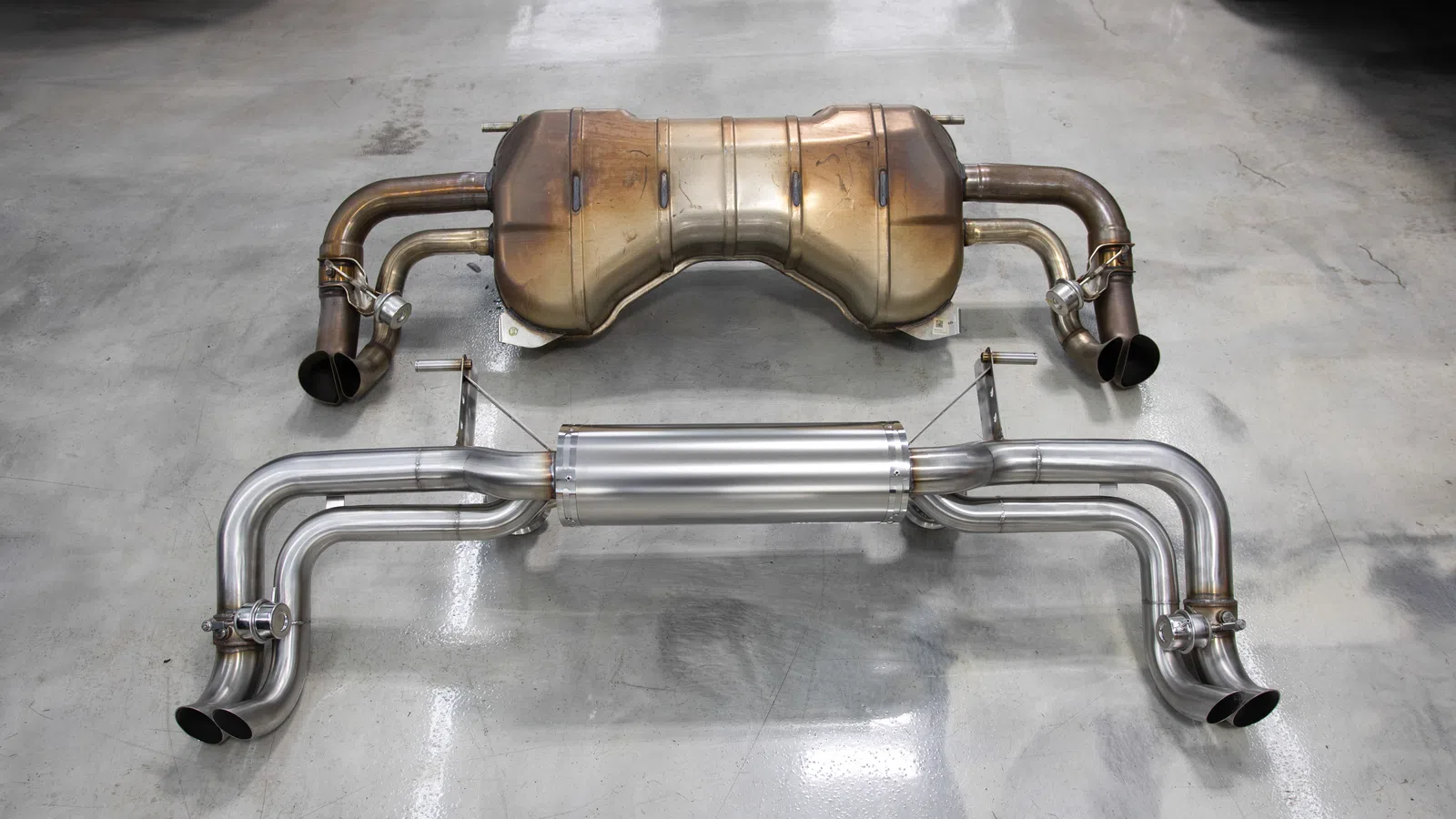
Factory, or OEM, exhaust systems are built to satisfy the masses, which means they often play it safe. The result is an exhaust that's usually too quiet, more restrictive than it needs to be, and heavier than it should be. Upgrading to a performance exhaust lets you dial in the sound you actually want, improve exhaust flow, and give your car a more aggressive feel behind the wheel.
Whether you're looking for a subtle increase in tone or maximum sound and performance, we'll help you build the right setup for your goals and budget, with the fitment and results to match.
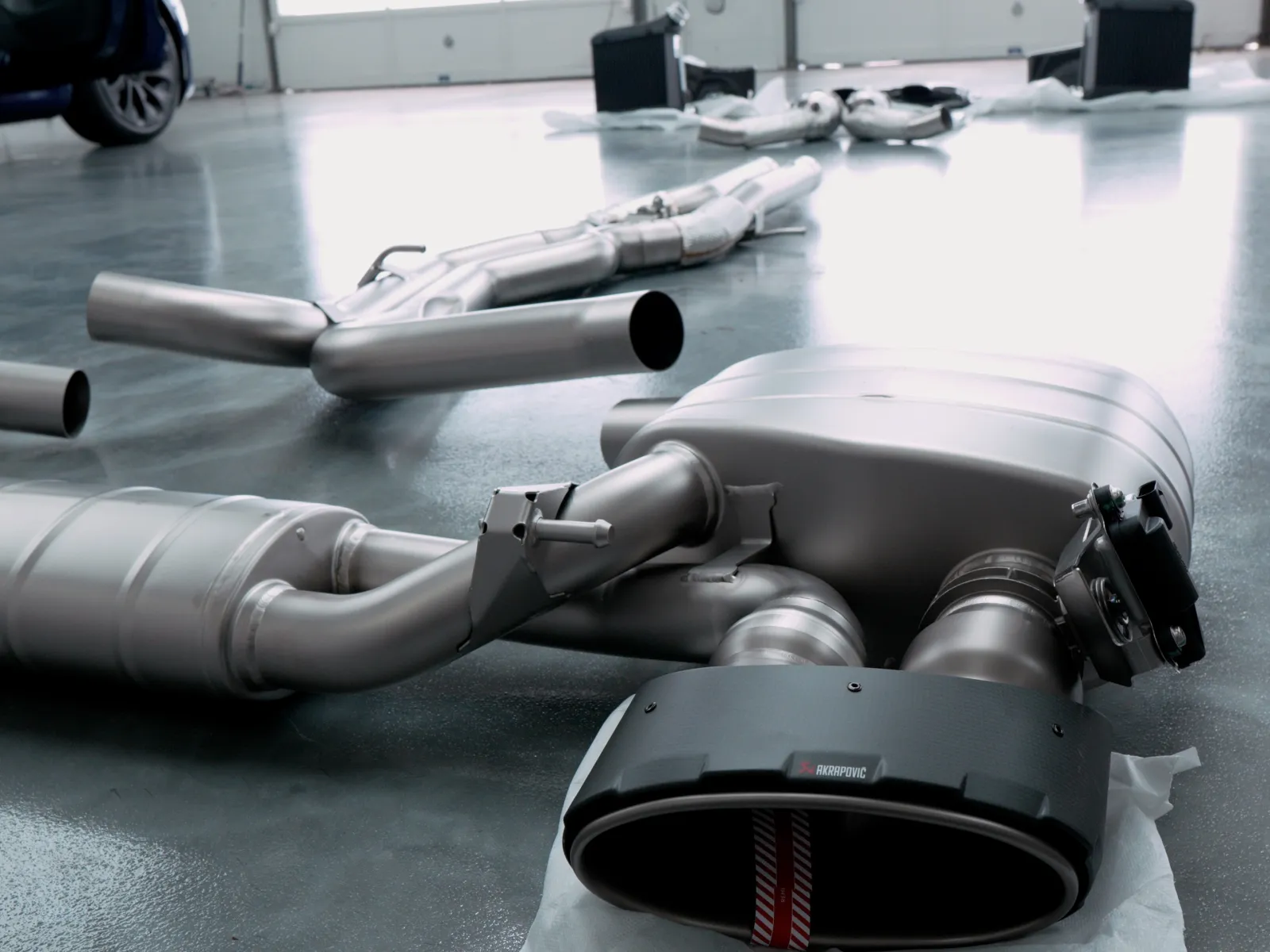
Material
Most Common Exhaust Materials
- Stainless Steel
- Titanium
- Inconel
The three most common high-performance exhaust materials are stainless steel, titanium, and inconel, and each one has its own strengths depending on your goals. Stainless steel is the most popular all-around option because it's durable, cost-effective, and holds up well to daily driving and heat cycles. Titanium is the premium lightweight choice, offering noticeable weight savings, a high-end finish, and a sharper, more exotic tone, making it ideal for higher-end builds and performance-focused owners. Inconel is the most extreme option, built for race-level heat and abuse, with outstanding strength under high exhaust temps, which is why it's commonly used in motorsport and high-horsepower applications.
Whether you want a durable daily-driver setup, a lightweight premium build, or a track-focused system that can handle extreme heat, choosing the right exhaust material makes a big difference. Reach out and we'll help you pick the best option for your vehicle, driving style, and the results you're aiming for.
Different Engine Configurations
Front-Engine Exhaust Systems
As the most common engine layout in the automotive world, front-engine vehicles cover nearly every category, from daily drivers and trucks to track cars and supercars. Their layout allows for a wide range of exhaust setups, making them one of the most flexible platforms for improving sound, performance, and driving enjoyment.
Mid-Engine Exhaust Systems
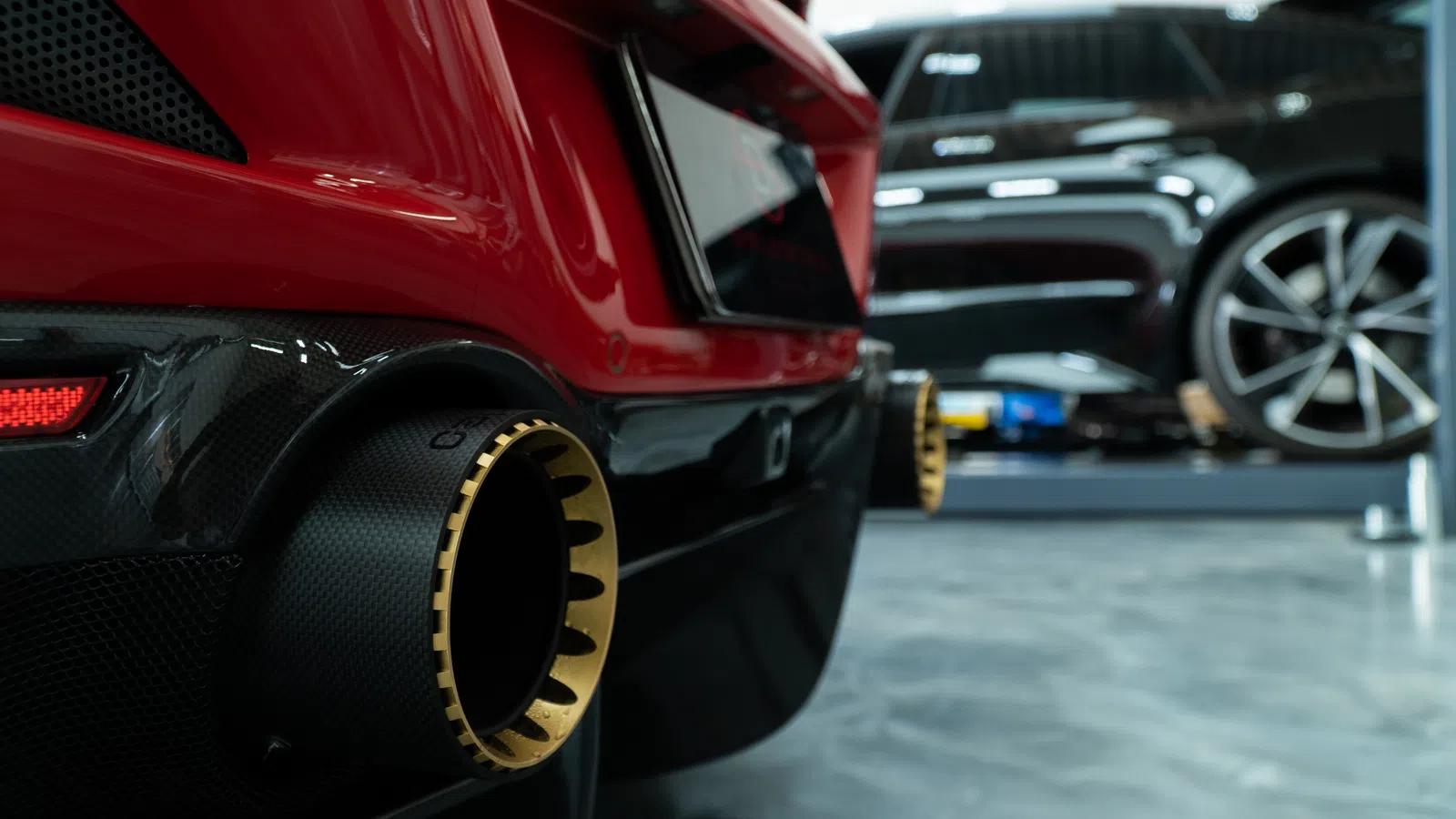
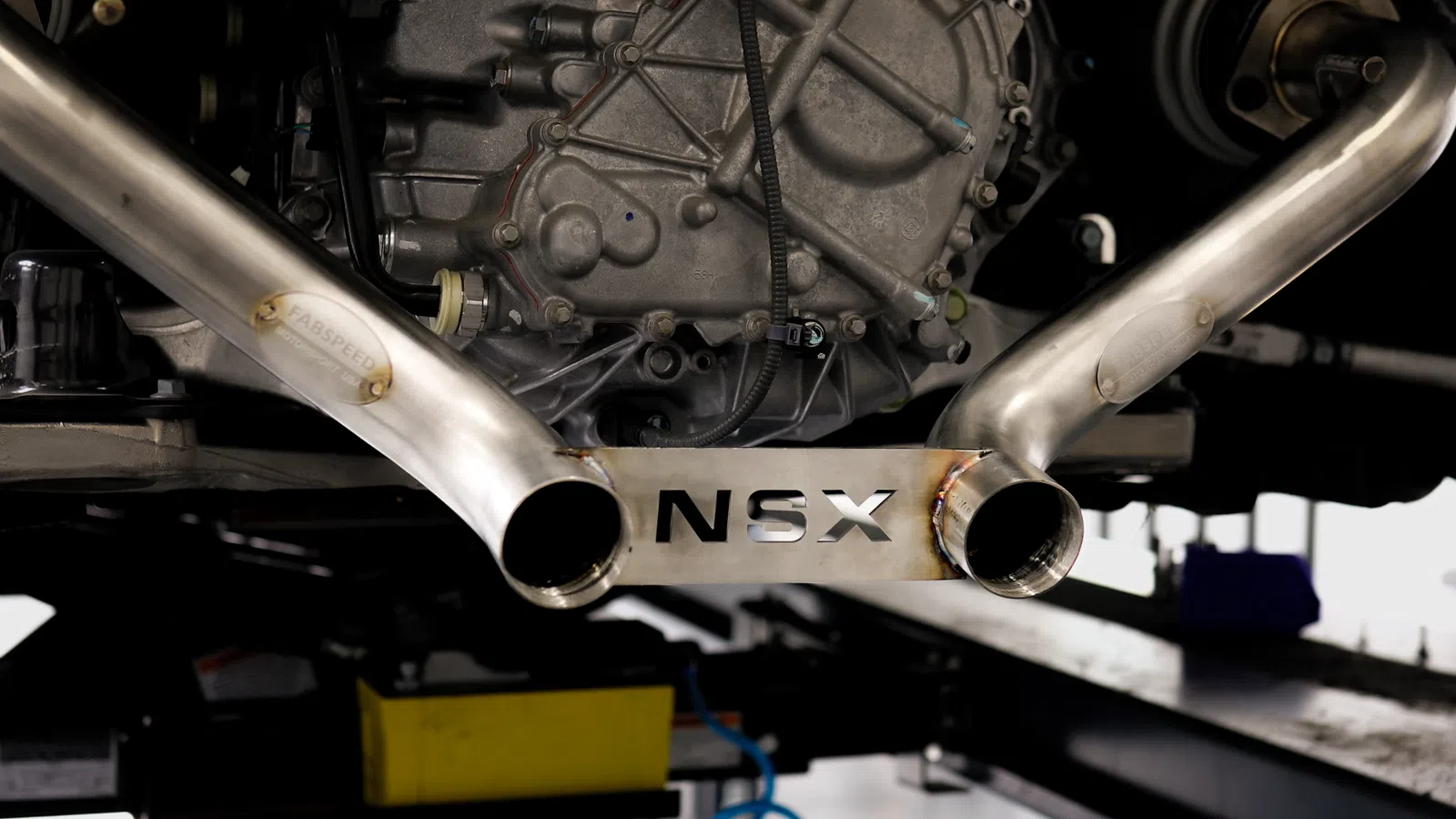
Mid-engine vehicles include both front-mid-engine and rear-mid-engine layouts, and each brings its own packaging and exhaust routing challenges. Whether the engine sits behind the front axle or just ahead of the rear axle, these vehicles often need specialized installation, careful heat management, and precise fitment. We offer exhaust solutions for a wide range of mid-engine vehicles, helping you achieve the sound, performance, and driving feel you want.
Rear-Engine Exhaust Systems
Rear-engine vehicles deliver a driving experience unlike any other, with the engine mounted behind the rear axle for excellent traction and a distinct character. Their compact packaging and unique exhaust routing call for careful planning, precise fitment, and effective heat management. Whether you want OEM+ refinement or a more aggressive exhaust note, we offer solutions built for the unique demands of rear-engine platforms.
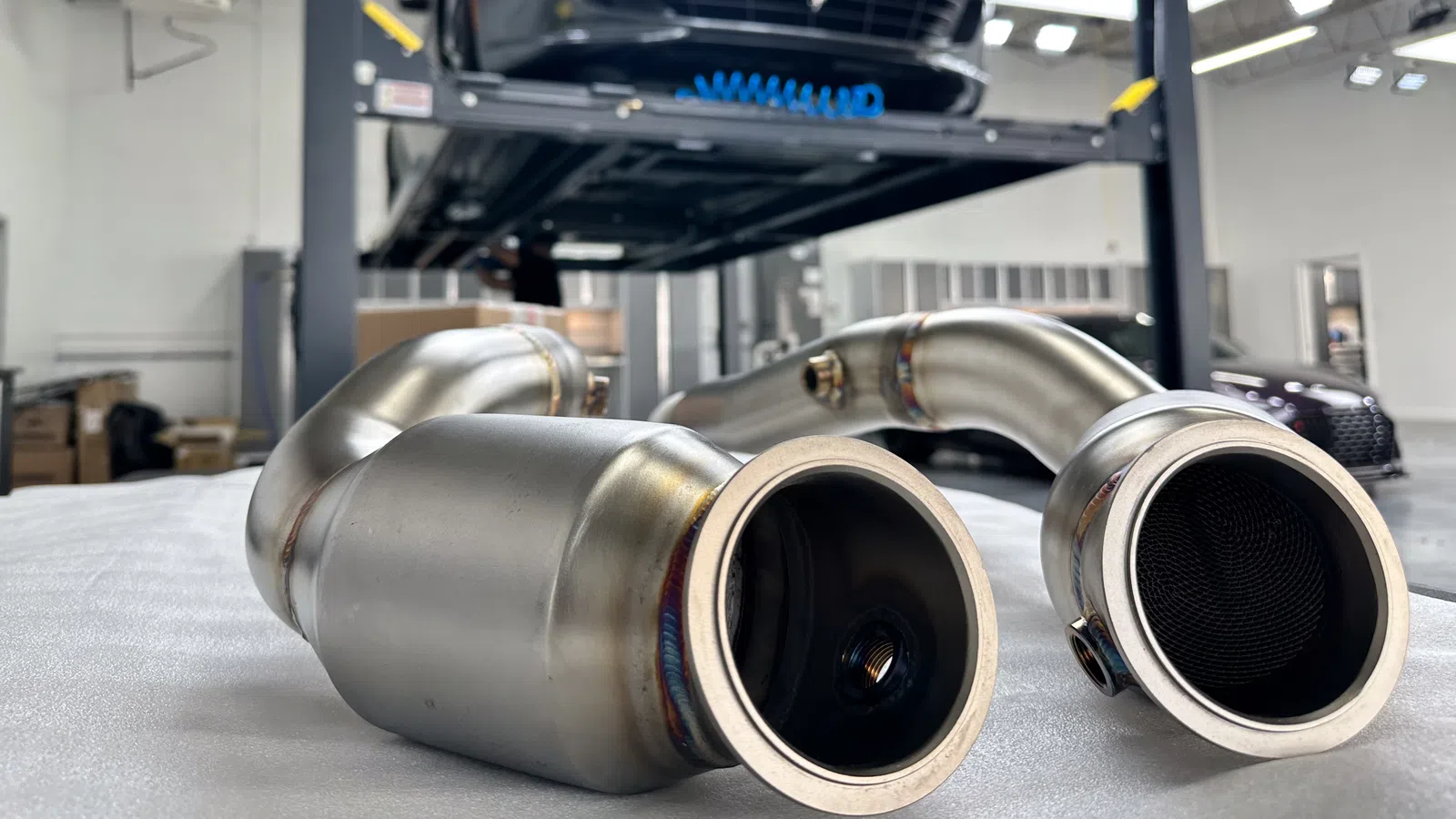
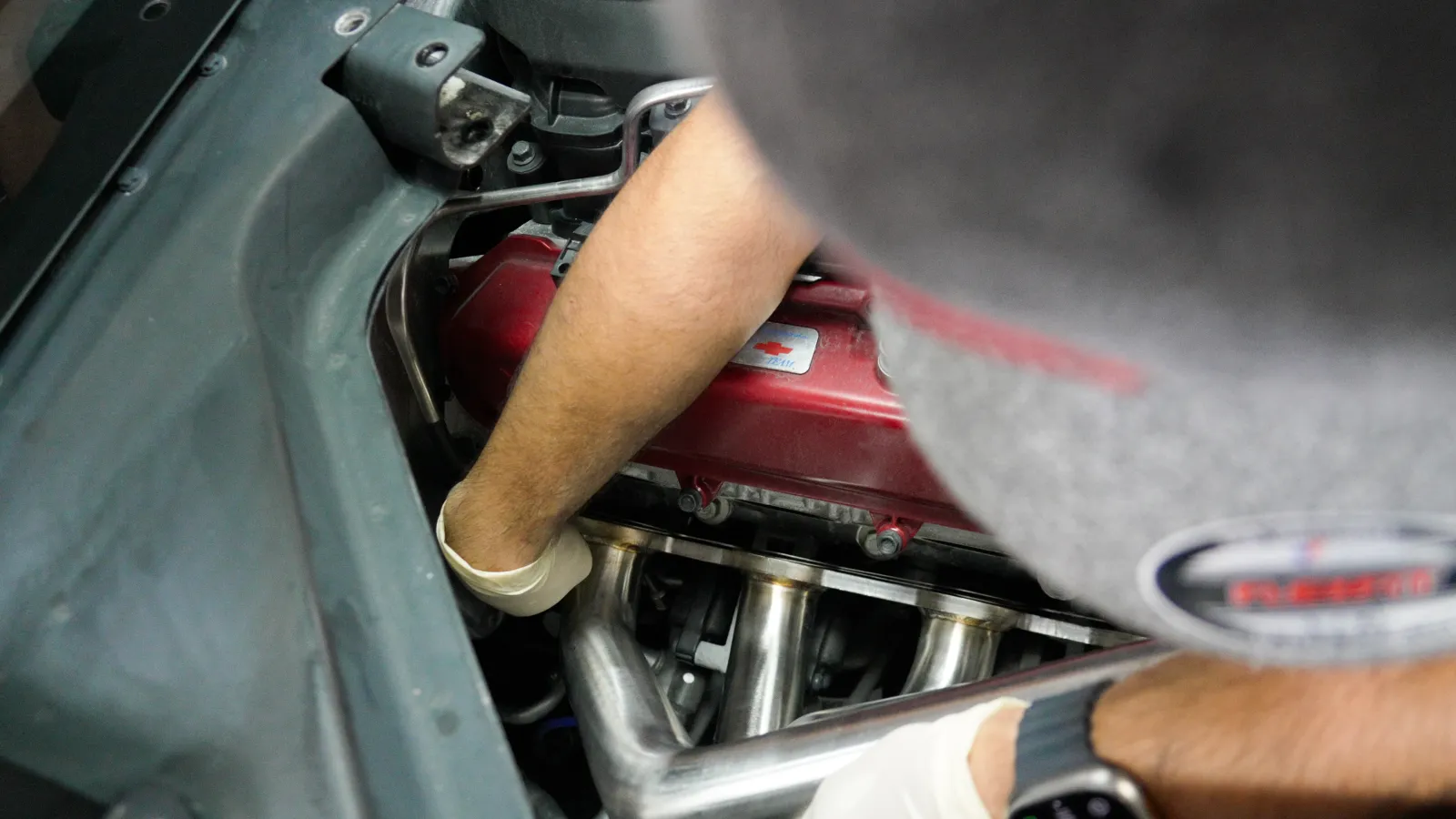
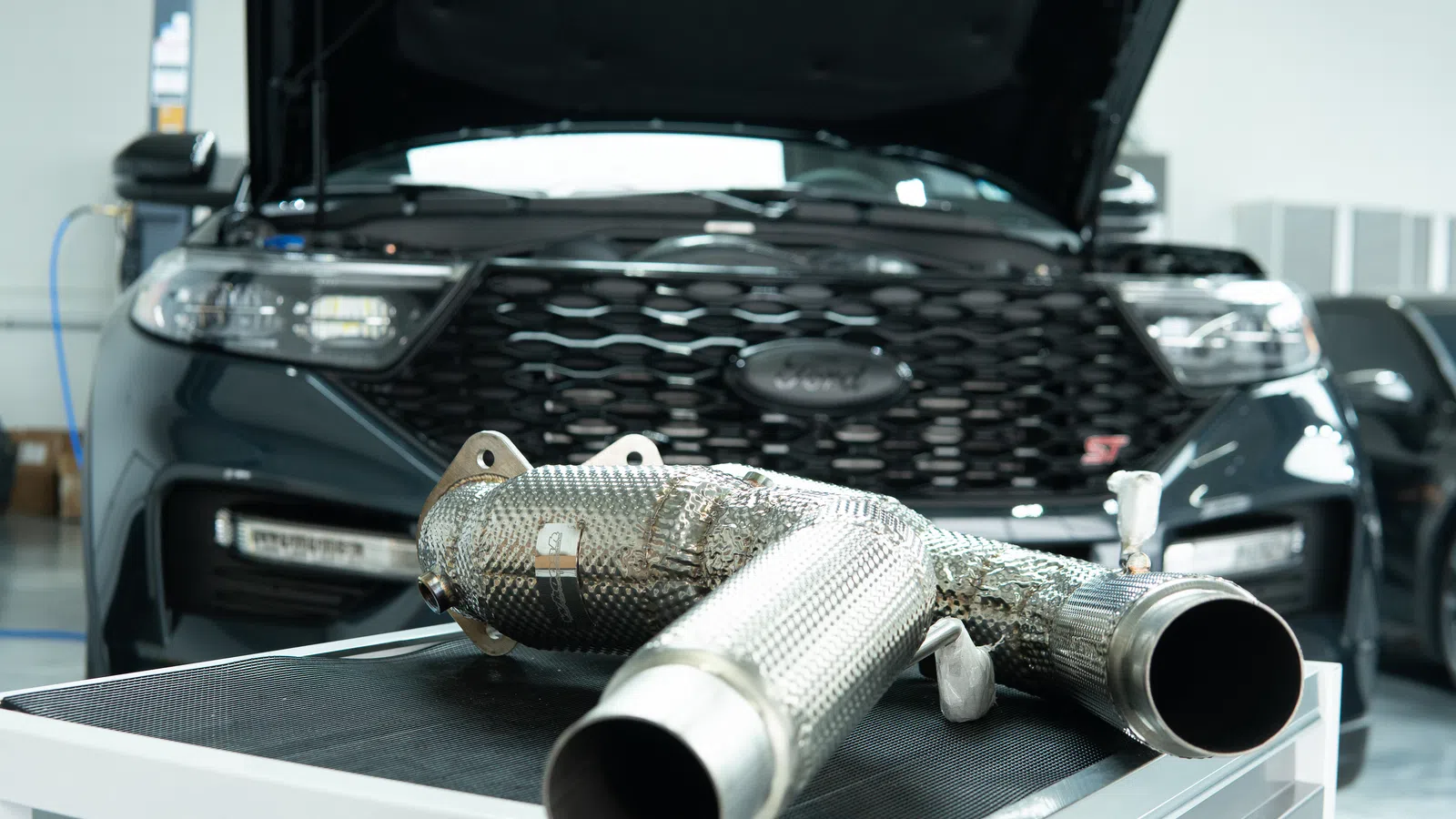
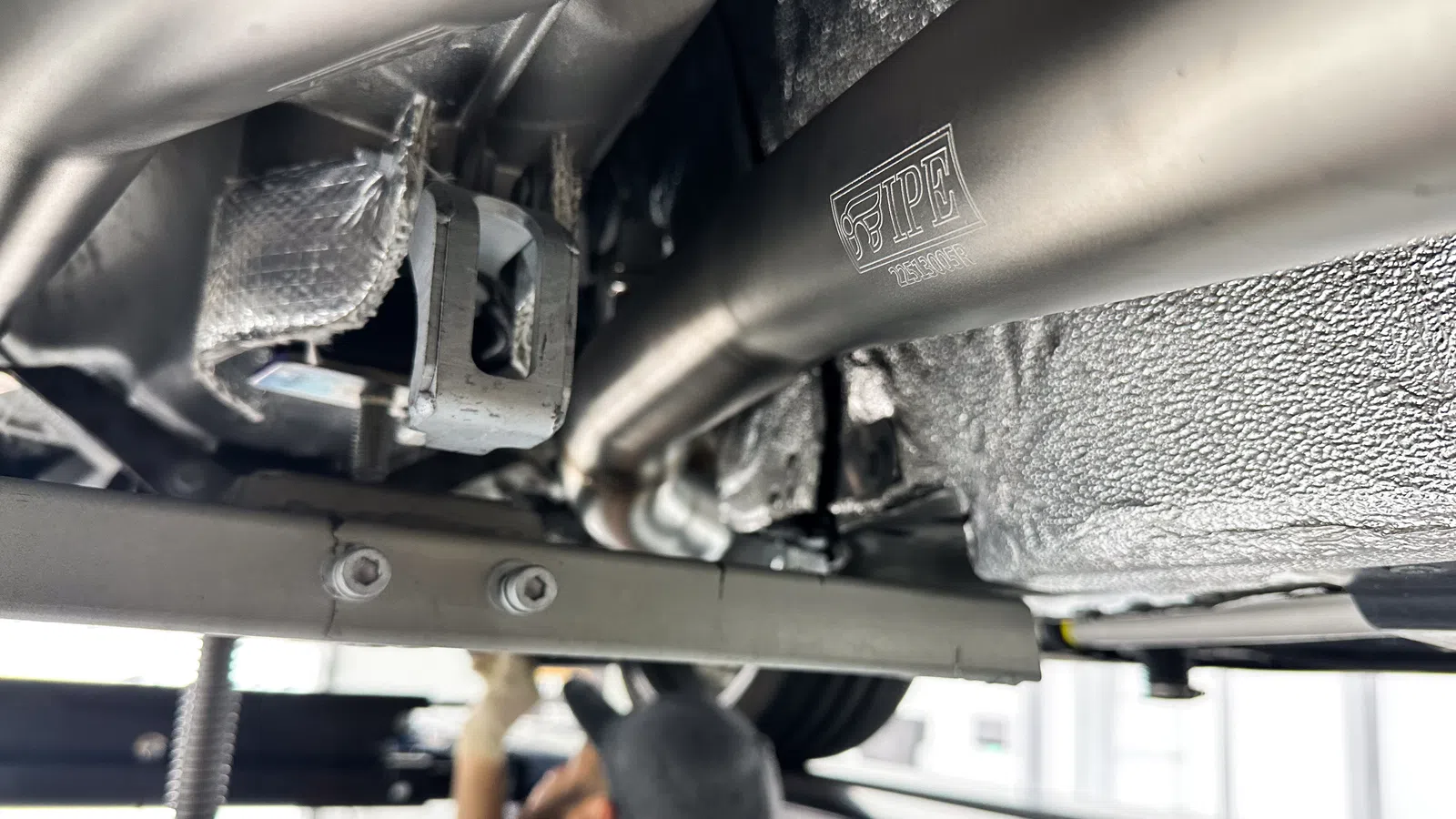
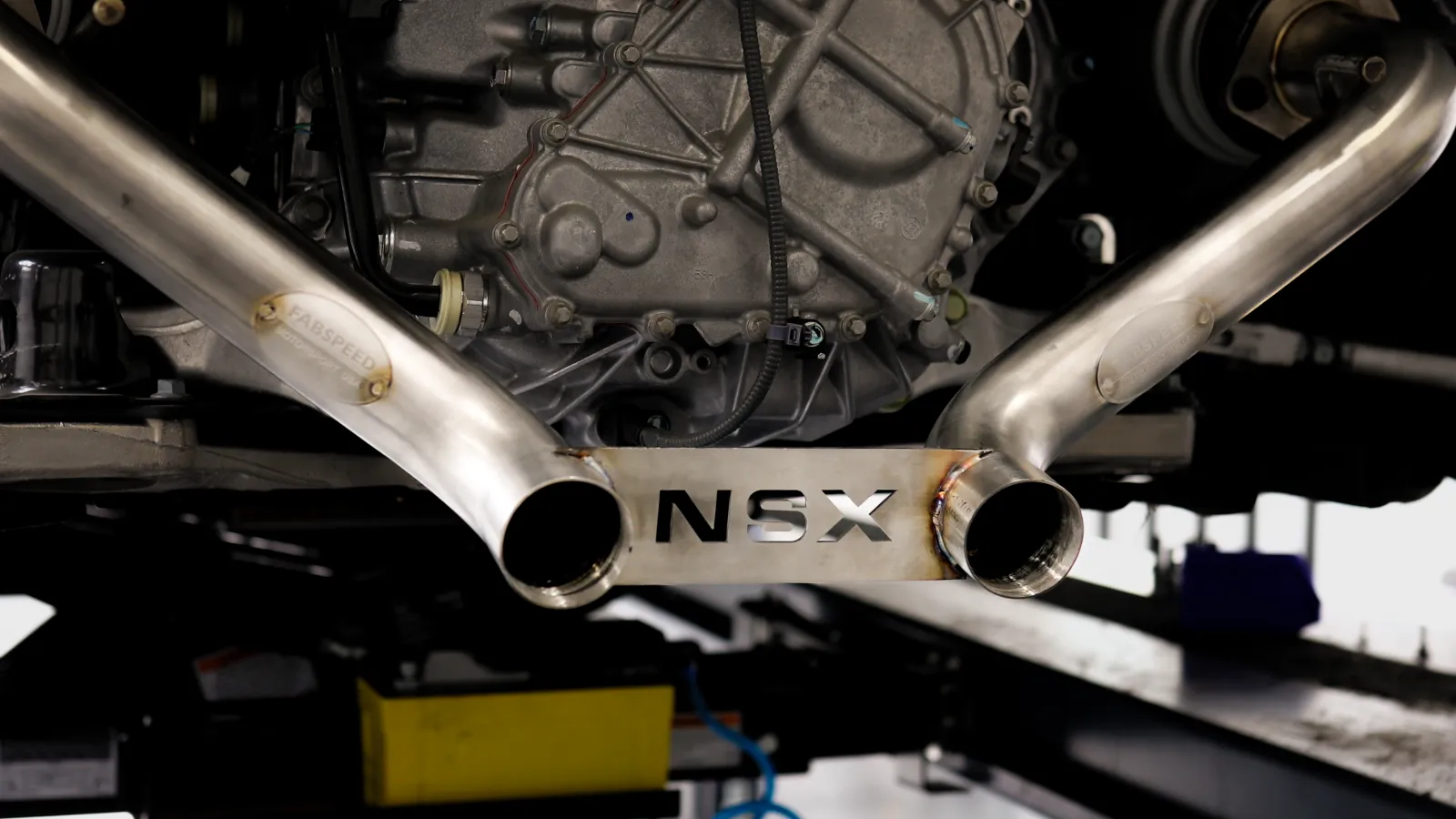
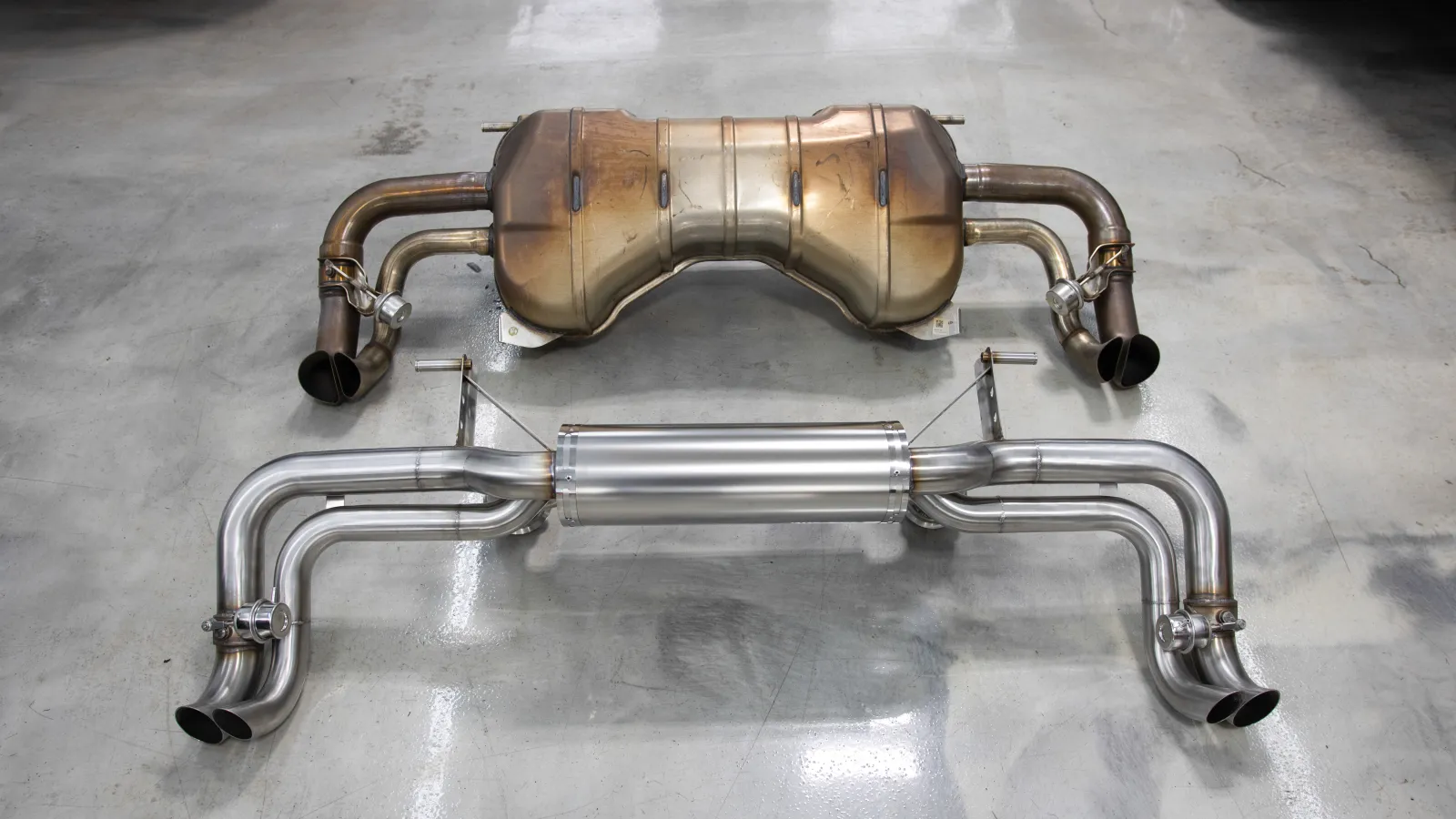
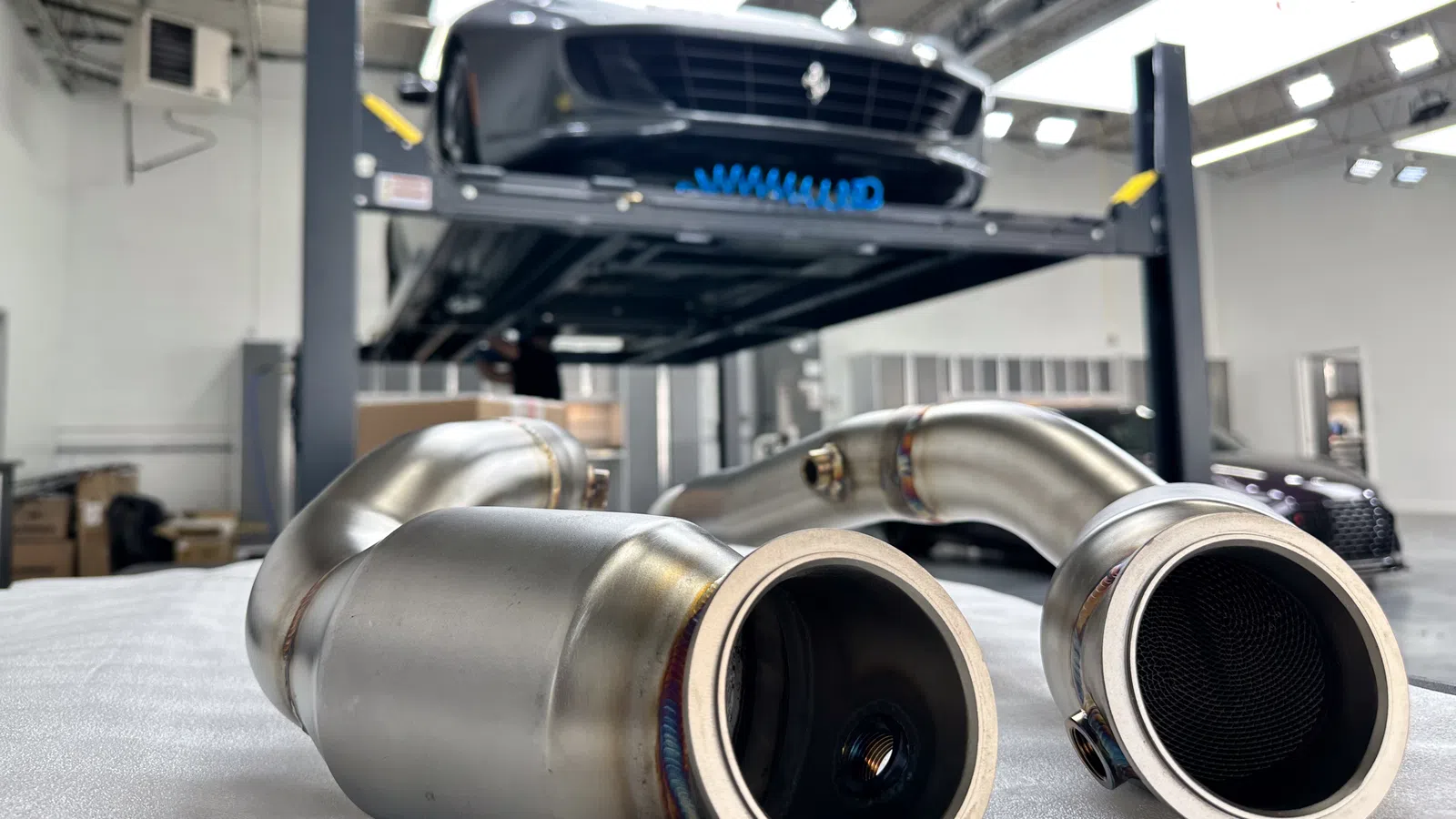
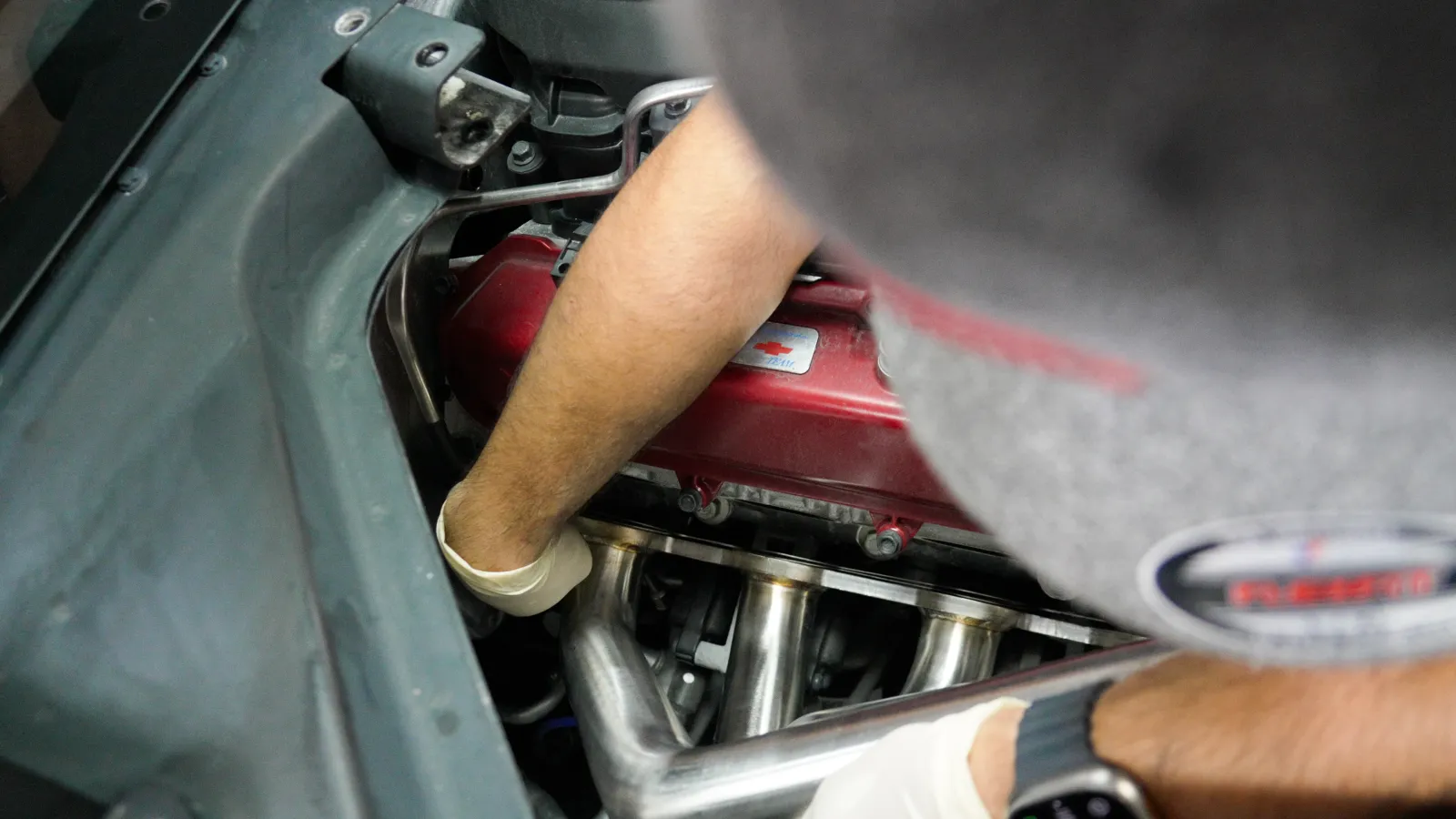
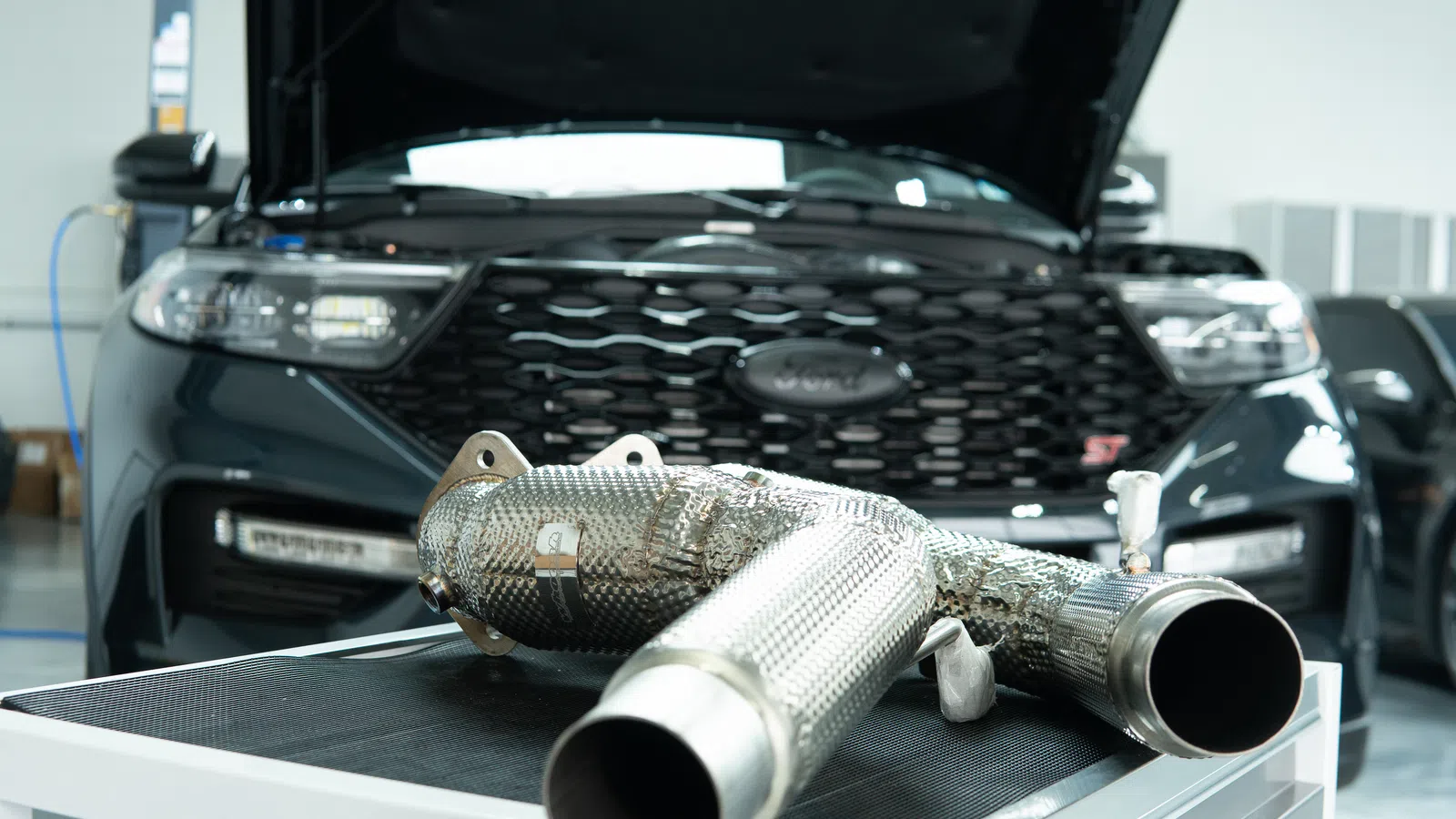
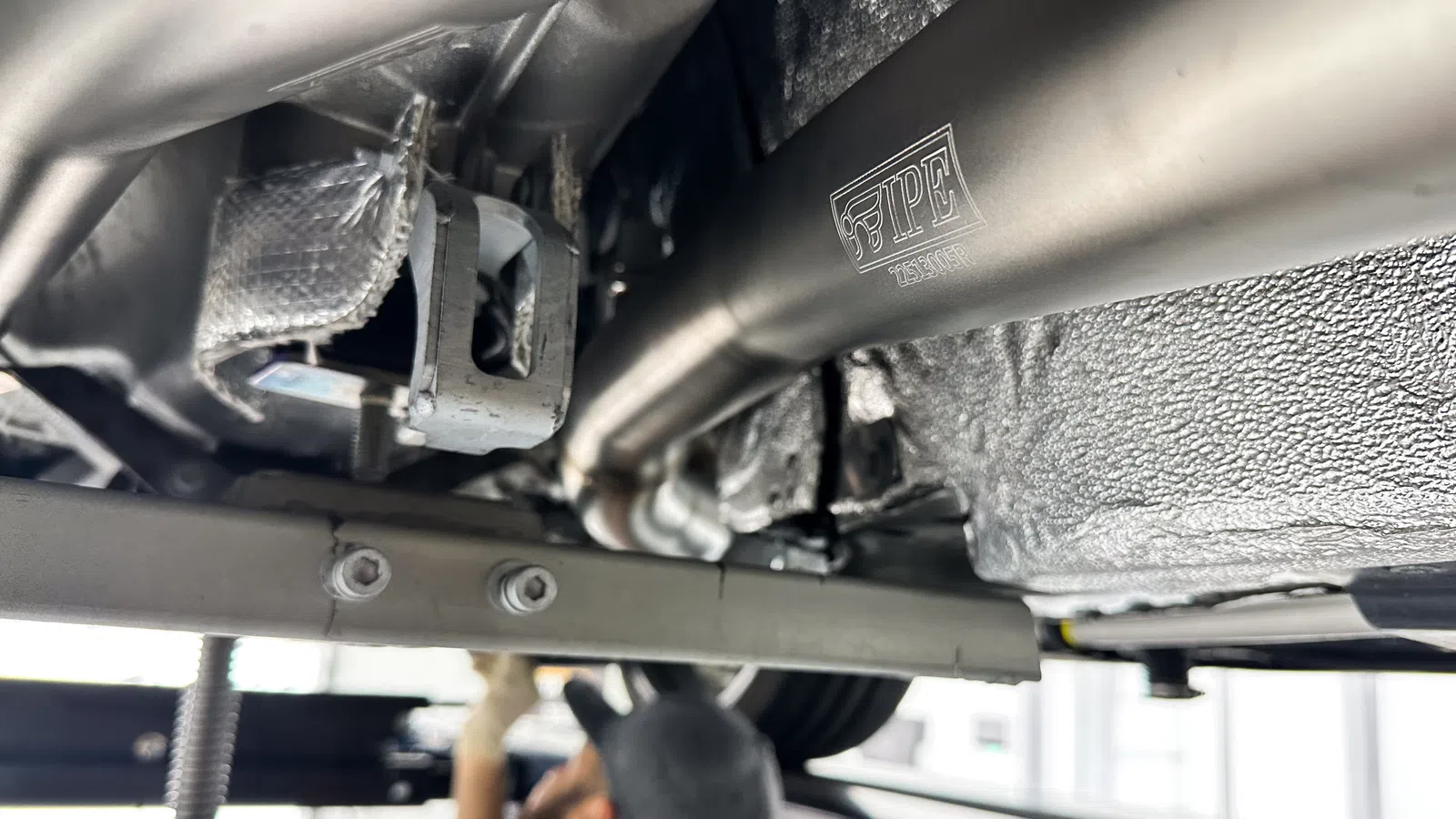
Common Aftermarket Exhaust Components
How We Build The Right Sound

What are the benefits of upgrading to an aftermarket exhaust system?
Factory or OEM exhaust systems are often designed to meet broad regulations and accommodate the masses, which can make them restrictive in terms of performance and sound. By upgrading to an aftermarket exhaust system, you unlock both enhanced engine performance and the customized sound you're looking for. These systems improve horsepower and torque while reducing weight, allowing your vehicle to run more efficiently. Ultimately, an aftermarket exhaust delivers a more engaging driving experience tailored to your preferences.
How much horsepower does a performance exhaust system add?
A performance exhaust can improve horsepower by enhancing exhaust flow and but the actual gains vary significantly depending on the vehicle platform. Naturally aspirated and supercharged engines typically see minimal horsepower increases because their power delivery is less dependent on exhaust flow. In contrast, turbocharged engines often experience more noticeable gains, as improved exhaust flow can enhance turbo efficiency and spool time. The extent of these gains depends on factors like the specific exhaust design, engine tuning, and other modifications.
What is the difference between valved and non-valved exhaust systems?
Valved exhaust systems feature adjustable valves that allow you to control the exhaust flow and sound, offering a quieter mode for daily driving and a louder, more aggressive tone when desired. Non-valved exhaust systems have a fixed design that provides a consistent sound and performance without the ability to adjust or mute the exhaust note.
How can I make my exhaust louder without drone?
To make your exhaust louder without drone, it's important to choose a high-quality exhaust system designed with sound-tuning features like resonators or valved mufflers that minimize unwanted cabin noise. Additionally, selecting an exhaust with proper flow dynamics and materials can enhance the aggressive tone while reducing the low-frequency vibrations that cause drone. This approach is really flexible for tailoring the sound to your personal preferences and driving conditions, allowing you to enjoy a powerful exhaust note without sacrificing comfort.
What exhaust material is the best?
The best exhaust material depends on your priorities, with stainless steel being the most popular choice due to its excellent durability, corrosion resistance, and balanced cost. Titanium offers a lighter weight and superior strength but comes at a higher price, making it ideal for performance-focused builds. Inconel is a high-performance alloy known for its exceptional heat resistance and strength, often used in racing applications where extreme temperatures are common, though it comes with a significantly higher cost. Mild steel is more affordable but prone to rust and typically less durable over time. Choosing the right material depends on your budget, performance goals, and how you intend to use your vehicle.